
Guides
Edmonton student rentals near the University of Alberta, managing turnover and RTDRS disputes
Lease administration for Edmonton student rentals near the University of Alberta: academic-year terms, summer turnover timing, move-out records and RTDRS disputes.
What to take away
- Near the University of Alberta, the leasing year is set by the academic calendar: September move-ins, April move-outs, and a summer window that decides the year.
- Alberta tenancy law sits in the Residential Tenancies Act, and a security deposit cannot exceed one month's rent.
- Turnover compresses into about eight weeks, so trades get booked in February, not May.
- The Residential Tenancy Dispute Resolution Service hears most landlord-tenant claims, and documents decide them.
- A dated move-in report, matching move-out photos and a written damage list are what hold a deposit claim together.
Where the student stock sits
The University of Alberta's main campus runs along 87 Avenue and 114 Street, above the North Saskatchewan River valley. Student rentals cluster in Garneau, McKernan, Belgravia, Windsor Park and Strathcona, and in the high-rises along 109 Street and Whyte Avenue.
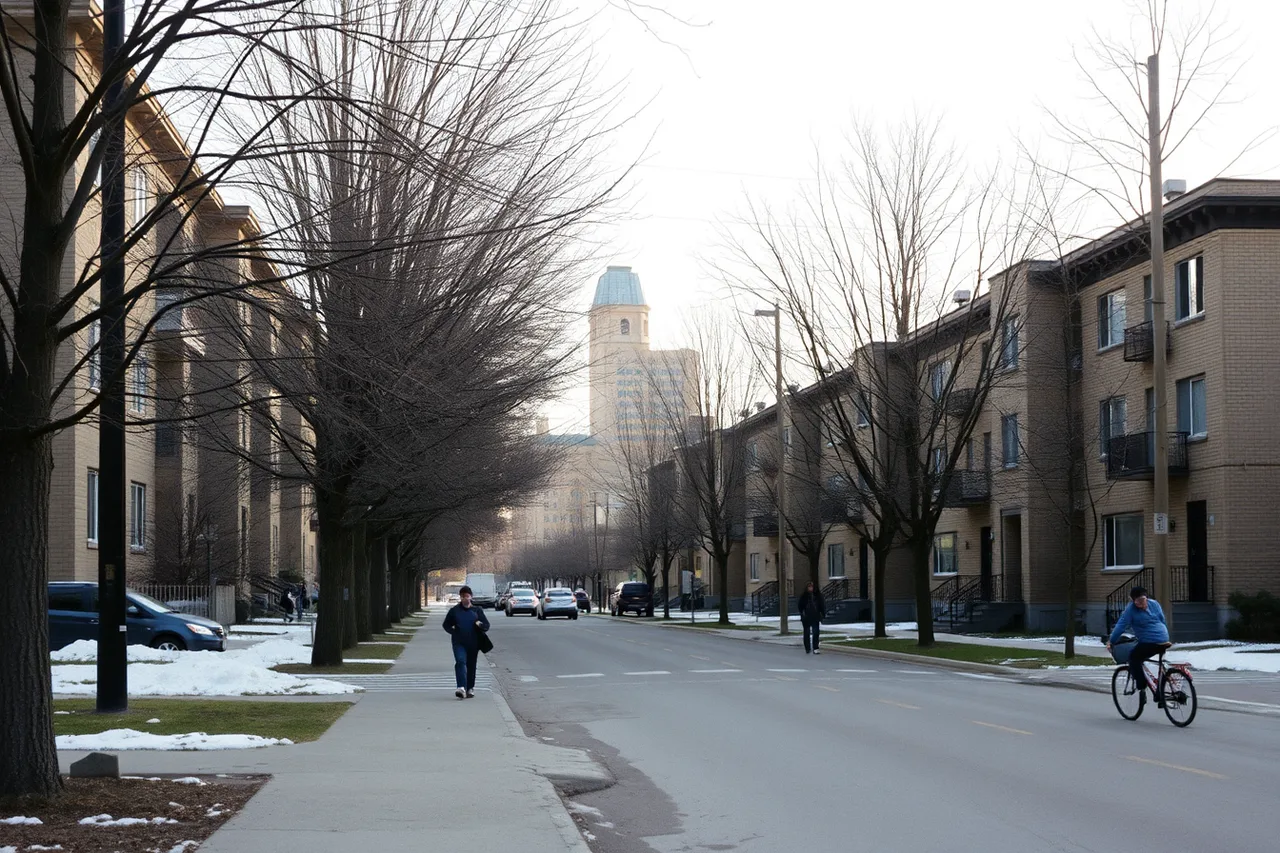
Tenants walk or cycle to class. A unit fifteen minutes from campus leases earlier than a comparable one across the river, and parking matters less than proximity. Buildings near the Health Sciences and Butterdome side pull graduate and professional students onto twelve-month terms.
Inquiries arrive between January and March for a September start. Advertise in June and you compete with every other vacancy in the same few blocks. Treat the winter inquiry period as the real leasing season, and the summer as the cleanup.
Lease terms that follow the semester
Alberta's rules are set out in the Residential Tenancies Act and administered through the province's housing programs. Start from the province's own material on starting a tenancy in Alberta, which lists the required forms and deposit rules.
A security deposit cannot exceed one month's rent. It is held in trust and returned within ten days of the tenant giving a forwarding address in writing, with a statement of any deductions. Miss the ten days and the claim is weak before it starts.
Fixed terms are the norm. A twelve-month term from September, or a four-month term covering the winter semester, both work if the end date lines up with the academic calendar rather than an arbitrary month.
A fixed term that simply expires does not roll into a monthly tenancy unless the parties agree or the tenant stays with the landlord's consent. Put the intended end date in writing and confirm it with the tenant before the term closes.
Rent increases in Alberta need written notice and cannot take effect before a new tenancy or the end of a fixed term. For student stock, most increases land at spring renewal, which is also when you decide whether to re-sign the tenant or re-market the unit.
Turnover timing, and why February matters
Winter term exams finish in late April, and most student leases end on April 30. New leases start May 1 or September 1. That is the whole window.
Edmonton weather does not cooperate. Snow lingers into April, and exterior work such as fence repair, parking lot line painting or balcony resurfacing may wait until May. Interior work carries the schedule until then.
Book trades before the tenant gives notice, not after. A turnover calendar that starts in February, with confirmed dates for cleaners, painters and appliance technicians, survives a late move-out. One that starts in May does not.
Stagger end dates across a portfolio. If every unit in a building turns on April 30, one crew is asked to do four times the work in one week. Moving a few leases to a May 15 or June 1 start spreads the load and keeps quality steady.
Build the April and May weeks into a maintenance plan so turnover is scheduled against known capacity instead of squeezed between service calls.
Filing at the RTDRS
Alberta hears most landlord-tenant disputes through the Residential Tenancy Dispute Resolution Service (RTDRS) | Alberta.ca, a tribunal inside the Ministry of Seniors, Community and Social Services. It handles unpaid rent, damage, deposit disputes and lease violations.
Applications are filed online and the fee depends on the amount claimed. The applicant serves the other party with the filed documents, and the matter is set for a hearing, usually by telephone or video. Hearings are less formal than court but still turn on evidence.
A claim succeeds or fails on paperwork:
- the signed lease
- the move-in condition report
- the move-out report
- dated photographs
- the rent ledger
- written messages with the tenant Verbal recollection carries little weight against a document.
Read the province's guidance on resolving tenancy disputes in Alberta before filing. Many disputes settle once a tenant receives a clear, itemised statement of what is owed and why.
RTDRS orders are enforceable, and either party can appeal to the Court of King's Bench on a question of law or jurisdiction within the set period. Treat the hearing as the end of the process, not a rehearsal.
Move-out documentation, step by step
Damage in a shared house is cumulative and hard to attribute, so the record has to start the day the tenant moves in.
- Complete a written condition report with the tenant at move-in, room by room, signed and dated by both parties.
- Photograph every room, appliance and surface on move-in day, with timestamps, filed against the unit record.
- Inspect with the tenant at move-out where possible, and note disagreements on the spot.
- Photograph the same angles at move-out so the two sets compare directly.
- Send the deposit statement and any refund within ten days of receiving the forwarding address in writing.
Use the province's forms and documents for landlords and tenants so the condition report and notices match the required format.
- Signed lease and any addenda on file
- Move-in condition report signed by all tenants
- Dated move-in photographs stored by unit
- Rent ledger showing every payment and charge
- Written notice and correspondence log
- Move-out condition report and photographs
- Deposit statement and refund issued within ten days
For shared houses, keep one file per unit rather than per tenant, and record which occupant caused which deduction. That habit removes most arguments at the hearing.
Running turnover as a project
Turnover is a scheduling problem before it is a repair problem. Units, trades and inspection slots have to line up inside a window the academic calendar fixes a year ahead.
Give every task a date and a name: pre-move-out inspection, cleaning, painter, carpet cleaner, final walkthrough. A note to sort it out later is not a schedule.
A daily checklist catches the small items: keys returned, mailbox re-keyed, utility accounts transferred, smoke and carbon monoxide alarms tested, blinds and filters replaced.
Track days from move-out to ready-to-show, cost per turn, deposit deductions recovered, and repeat maintenance calls within thirty days. Those are the KPIs owners actually use when they judge a manager.
Write the sequence down so it survives staff changes. A turnover section in the operations manual lets a new coordinator run an April week without rebuilding the process.
When several units turn at once, schedule property management units against real crew capacity. Alberta's housing topic hub is the reference to check when a rule is unclear.
Common questions
How much notice must a student tenant give before moving out?
On a fixed-term lease, the tenant owes rent until the term ends unless the landlord agrees to end it early. On a periodic tenancy, written notice is required under Alberta rules, and the notice period depends on the type of tenancy. Confirm the current requirement with the province or a licensed paralegal.
Can a landlord keep part of a damage deposit for cleaning?
Yes, if the lease or a separate agreement requires cleaning and the unit was not left reasonably clean. Ordinary wear and tear is not deductible, and the deduction must appear on the deposit statement with its amount.
What does it cost to file at the RTDRS?
The fee depends on the amount claimed and is set out in the RTDRS application material. Check the current figure before filing, because it is updated from time to time.
Do I need a separate lease for each student in a shared house?
Either structure works. One lease naming all occupants makes the group jointly responsible for the whole rent, which is usually simpler to enforce than individual leases for each bedroom. Have a lawyer review the form you choose.